
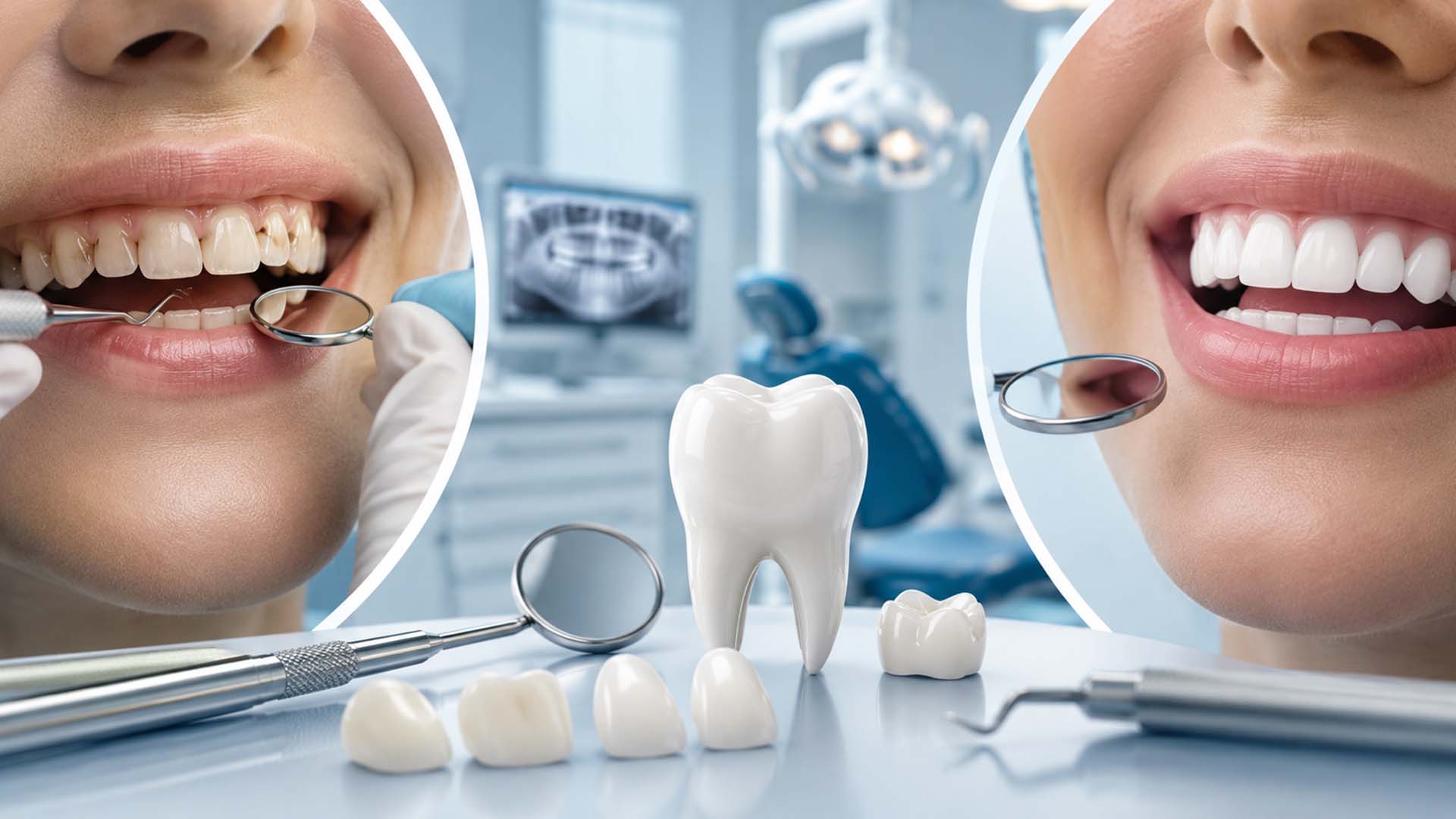
How a Dentist Restores Teeth After Years of Wear
Introduction
Teeth are designed to withstand years of daily use, but they are not indestructible. Over time, repeated chewing, teeth grinding, acidic foods, and other factors can gradually change their shape and strength.
You may notice flattened edges, small chips, increased sensitivity, or a smile that looks noticeably different from what it once did.
Fortunately, worn teeth do not always mean that you have to live with permanent damage.
The best dentist in Pickering can evaluate how much tooth structure has been lost and determine the most appropriate way to restore it.
From minimally invasive bonding to crowns for more extensively damaged teeth, modern restorative dentistry can help rebuild both function and appearance.
What Causes Teeth to Wear Down Over Time?
Tooth wear is a gradual process, and it can have more than one cause. Understanding what is behind the damage is important because restoration should address both the visible problem and the factors that may continue to affect your teeth.
1. Everyday Chewing and Normal Wear
Teeth experience considerable pressure every day. Chewing food repeatedly over many years naturally causes some degree of wear.
Normal wear is usually gradual and may not cause noticeable problems. However, significant changes in tooth shape or length can indicate that the teeth have experienced more wear than expected.
2. Teeth Grinding and Clenching
Bruxism, or repeated grinding and clenching, can place excessive pressure on the teeth. Over time, this may flatten biting surfaces, create small fractures, and cause edges to chip.
People may grind their teeth during sleep without realizing it. A dentist may notice characteristic patterns of wear during a routine examination.
3. Acid Erosion
Acid can weaken tooth enamel and make it more vulnerable to wear. Frequent exposure to acidic drinks and foods can contribute to enamel erosion.
Acid exposure can also occur because of certain health conditions. Once enamel has been lost, it does not naturally grow back, which makes early assessment important.
4. Poor Bite Alignment
The way your upper and lower teeth come together can influence how pressure is distributed. An uneven bite may place excessive force on particular teeth, contributing to accelerated wear.
Addressing the underlying bite issue may therefore be an important part of protecting restored teeth.
How Does a Dentist Assess Worn Teeth?
Restoring worn teeth begins with a detailed assessment. Your best dentist in Pickering will look at the amount of tooth structure that remains, the condition of the enamel, your bite, and any symptoms you are experiencing.
They may also review your dental history and ask about grinding, dietary habits, sensitivity, or previous dental work.
Depending on your situation, dental X-rays or other diagnostic tools may be recommended to assess the health of the teeth and surrounding structures.
The goal is not simply to make worn teeth look better.
Your dentist needs to determine why the wear occurred and whether the teeth can support the proposed restoration.
1. Dental Bonding for Mild Tooth Wear
When tooth wear is relatively minor, dental bonding may provide a conservative solution.
During bonding, a tooth-coloured composite material is applied to the affected area and shaped to rebuild worn edges or surfaces. The material is then hardened and polished to blend with the surrounding tooth.
Bonding can restore the appearance of chipped or shortened teeth while preserving more of the natural tooth structure.
It may be particularly appropriate when only a small amount of enamel has been affected.
2. Veneers for Worn or Altered Front Teeth
Veneers may be considered when wear has affected the appearance of the front teeth, and there is enough healthy tooth structure to support them.
A veneer is a thin covering placed over the front surface of a tooth. It can improve the shape, colour, and appearance of teeth that have become worn, chipped, or discoloured.
However, veneers are not suitable for every patient. A dentist needs to assess factors such as enamel condition, bite forces, grinding habits, and the amount of existing tooth structure before recommending them.
3. Crowns for More Extensive Tooth Damage
When a tooth has experienced significant structural damage, a dental crown may be recommended.
A crown covers and protects the remaining tooth while restoring its shape and function. This can be particularly useful when a tooth has become weak, heavily worn, cracked, or extensively restored.
The purpose of a crown is not simply cosmetic. It can provide additional protection for a compromised tooth and help restore normal biting function.
4. Rebuilding the Bite and Function
Years of tooth wear can affect more than individual teeth. If several teeth have become significantly shortened or flattened, the way the upper and lower teeth meet may also change.
In these cases, restorative treatment may involve rebuilding multiple teeth so that they work together properly.
Your dentist will consider the relationship between the teeth rather than treating each worn tooth in isolation. This helps create a restoration that supports comfortable chewing and a balanced bite.
5. Treating Tooth Sensitivity Alongside Wear
Worn teeth may become sensitive when enamel has been significantly reduced, and underlying tooth structure becomes exposed.
Treatment depends on the cause and severity of the sensitivity. Your dentist may recommend preventive measures, desensitizing products, protective restorations, or other treatment where appropriate.
Addressing sensitivity is important because restoring the appearance of the teeth alone does not necessarily resolve the underlying problem.
Can Worn Teeth Be Restored Without Removing a Lot of Tooth Structure?
In some cases, yes. The appropriate approach depends on how much damage has occurred and the condition of the remaining tooth.
Conservative treatments such as bonding may require minimal alteration to the natural tooth. More extensive damage may require a restoration that provides greater coverage and protection.
A thorough examination is essential before deciding how much treatment is appropriate.
The best approach is generally the one that restores function while preserving healthy natural tooth structure whenever possible.
When Should You See a Dentist About Worn Teeth?
You should consider a dental assessment if you notice that your teeth are becoming noticeably shorter, flatter, chipped, sensitive, or discoloured.
Other warning signs include frequent jaw discomfort, headaches associated with clenching, cracks in the teeth, or changes in the way your teeth come together.
Early assessment can be valuable because treatment may be simpler when excessive wear is identified before significant tooth structure is lost.
Final Thoughts
Years of tooth wear can change the strength, function, and appearance of your smile, but treatment options can help restore what has been lost. The right approach depends on the extent of damage, the health of the remaining tooth structure, your bite, and the cause of the wear.
If you are searching for the best dentist in Pickering, Allure Dental provides personalized dental care focused on restoring healthy function and a confident smile.
At Allure Dental, we take a personalized approach to tooth wear treatment, combining advanced restorative dentistry with tailored care to help you achieve long-lasting oral health.
Whether you need dental bonding, veneers, crowns, or a comprehensive rehabilitation plan, our experienced team will recommend the most suitable treatment for your smile.
Let us protect your teeth, rebuild your smile, and restore your confidence with personalized care designed around you.
FAQs
Can a dentist fix teeth that have been worn down over many years?
Yes. Depending on the amount of tooth structure remaining, a dentist may use treatments such as dental bonding, veneers, crowns, or other restorative procedures to rebuild worn teeth.
What is the best treatment for severely worn teeth?
There is no single treatment that is best for everyone. Severely worn teeth may require crowns or more comprehensive restorative treatment, but your dentist will determine the appropriate option based on the condition of your teeth and bite.
Can worn teeth grow back naturally?
No. Enamel does not regenerate once it has been permanently lost. However, a dentist can restore the appearance and function of worn teeth using appropriate restorative materials.
Can teeth grinding cause teeth to become shorter?
Yes. Persistent grinding and clenching can gradually flatten and shorten teeth and may also cause chips, cracks, or sensitivity.
How can I prevent my restored teeth from wearing down again?
Following good oral hygiene, attending regular dental checkups, managing contributing factors such as teeth grinding, and limiting excessive acid exposure can help protect your natural teeth and restorations.
Are veneers suitable for worn-down teeth?
Veneers may be suitable for some patients with worn front teeth, but they are not appropriate in every case. Your dentist will assess enamel, tooth structure, bite forces, and grinding habits before recommending veneers.
When should I see a dentist about tooth wear?
See a dentist if you notice flattened or shortened teeth, increased sensitivity, chips, cracks, changes in your bite, or visible changes in your smile. Early assessment can help prevent further damage.
Can tooth wear affect my bite?
Yes. Significant wear across multiple teeth can change the way the upper and lower teeth meet. Restorative treatment may need to consider the overall bite rather than focusing on individual teeth alone.