
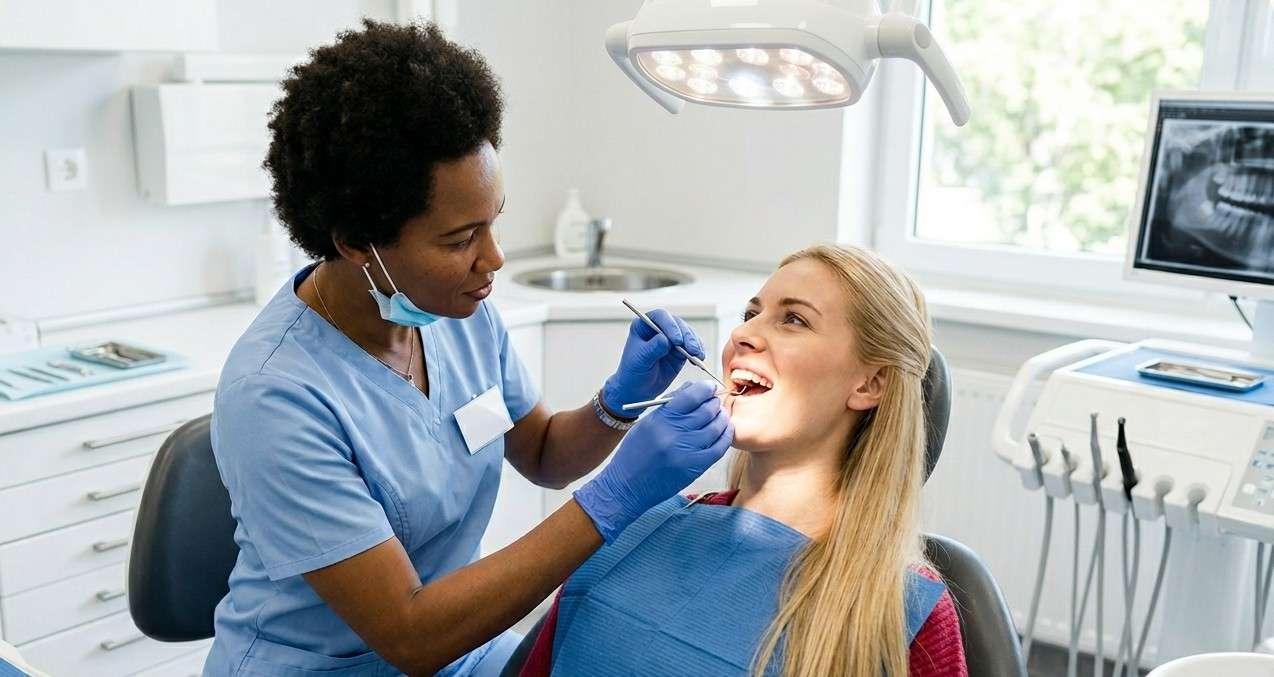
Dental problems rarely begin with severe pain. More often, they start with small changes that are easy to dismiss, such as bleeding gums while brushing, occasional tooth sensitivity, persistent bad breath or discomfort when chewing.
These symptoms may seem harmless at first, but they can signal developing dental conditions that become harder to manage if left untreated.
Knowing when to book an appointment with a dentist in Pickering can help you address concerns early, protect your natural teeth and avoid unnecessary complications.
Even if your teeth look perfectly fine, certain changes inside your mouth deserve attention.
Recognizing these seven warning signs can help you know when to schedule a Pickering dental check-up instead of waiting for discomfort to become a bigger problem.
1. Your Gums Bleed When You Brush or Floss
Seeing blood on your toothbrush or dental floss is not something you should routinely ignore. Healthy gums generally should not bleed during normal brushing and flossing.
Bleeding gums can be an early sign of gingivitis, a common form of gum disease caused by plaque accumulation around the gumline. If the condition progresses, it can develop into periodontitis, which may damage the tissues and bone supporting your teeth.
Other symptoms to watch for include:
- Red or swollen gums.
- Gum tenderness while eating.
- Persistent gum irritation.
- Gums that appear to be pulling away from your teeth.
A dental examination can help identify the cause of bleeding and determine whether professional cleaning or further gum treatment is needed.

2. Bad Breath Persists Even After Brushing
Everyone experiences occasional bad breath, particularly after waking up or eating certain foods. However, if an unpleasant smell or taste remains despite brushing, flossing and using mouthwash, there may be an underlying dental issue.
Persistent bad breath, also called halitosis, can be associated with bacteria accumulating on the tongue, between teeth or below the gumline. Tooth decay, gum disease, dry mouth and certain oral infections may also contribute.
Why a dental check-up matters: A dentist can examine your teeth and gums to identify potential sources of persistent odour. Addressing the underlying cause is generally more effective than repeatedly masking the smell with breath fresheners.
3. You Experience Tooth Sensitivity or Recurring Discomfort
Does drinking cold water make you wince? Do hot beverages or sweet foods trigger a sudden sensation in one or more teeth?
Tooth sensitivity can develop when the protective enamel wears down or when gums recede, exposing the underlying dentin. However, recurring sensitivity can also indicate cavities, cracked teeth, worn fillings or other dental concerns.
Pay attention to the type of discomfort you experience:
| Symptom | Possible dental concern |
| Sensitivity to cold drinks | Enamel wear or exposed dentin |
| Pain when eating sweets | Possible tooth decay |
| Discomfort when biting | Cracked tooth or damaged filling |
| Lingering pain after hot or cold food | Possible nerve inflammation |
Not every sensitive tooth requires extensive treatment. However, persistent or worsening discomfort deserves professional assessment, particularly if the pain is spontaneous or keeps you awake at night.
4. You Notice Changes in Your Bite or Difficulty Chewing
Your teeth should generally come together comfortably when you bite. If chewing suddenly feels uncomfortable or your teeth no longer seem to fit together as they once did, it is worth arranging a dental examination.
Changes in your bite can develop for several reasons, including tooth movement, missing teeth, worn dental restorations, gum disease or jaw-related conditions.
You might notice:
- One side of your mouth feels uncomfortable when chewing.
- Your teeth seem to meet differently.
- Food regularly gets trapped between certain teeth.
- You experience pressure around particular teeth.
- Your jaw feels tired after eating.
A dentist can assess your bite, examine your teeth and identify whether the discomfort is related to your teeth, gums or jaw joints.
5. You See Dark Spots, Stains or Changes on Your Teeth
Not every dark spot is a cavity, and not every stained tooth indicates poor oral hygiene. However, noticeable changes in the appearance of your teeth should not be dismissed without an examination.
Surface stains can develop from coffee, tea, red wine and certain foods. Dark spots, rough areas or visible holes may also indicate tooth decay or damage to the enamel.
A dental check-up helps distinguish between cosmetic staining and conditions that require treatment.
Depending on the findings, your dentist may recommend:
- Professional dental cleaning to remove surface deposits.
- Fluoride treatment to support enamel protection.
- White fillings to restore teeth affected by decay.
- Cosmetic dentistry options for suitable staining concerns.
If you notice a new spot, a chipped area or a visible hole, arranging a Pickering dental appointment sooner can help prevent further damage.
6. You Experience Frequent Headaches or Jaw Discomfort
Recurring headaches, jaw stiffness and discomfort around your temples can sometimes be associated with dental or jaw-related conditions.
One possible cause is temporomandibular joint disorder (TMD), which affects the joints and muscles responsible for jaw movement. Teeth grinding and clenching can also place additional pressure on your teeth and jaw muscles.
Look out for symptoms such as:
- Clicking or popping sounds when opening your mouth.
- Jaw pain while chewing.
- Difficulty opening your mouth comfortably.
- Morning headaches or facial soreness.
- Teeth that appear flattened or worn down.
A dentist can assess your bite, teeth and jaw function to determine whether a dental issue may be contributing to these symptoms. Depending on the diagnosis, treatment may include a custom mouthguard or TMD therapy.
7. It Has Been Too Long Since Your Last Dental Check-Up
Perhaps the most overlooked reason to visit a dentist is simply that you have not had an examination in a while.
Dental problems can develop without noticeable symptoms. A small cavity, early gum disease or enamel damage may not cause discomfort until the condition becomes more advanced.
Routine dental appointments allow your dentist to monitor changes in your oral health, identify concerns and recommend preventive care.
For many patients, dental examinations are recommended every six months. However, the appropriate frequency depends on individual factors, including:
- Your history of cavities.
- Existing gum disease.
- Your oral hygiene habits.
- Previous dental treatments.
- Medical conditions and other risk factors.
If you are unsure when you last had a check-up, scheduling an appointment is a sensible way to reassess your dental health.
What Happens During a Routine Dental Check-Up?
A dental check-up is more than a quick look at your teeth. It allows your dentist to assess your overall oral health and identify concerns that may need attention.
A typical appointment may include the following steps:
- Reviewing your dental history
Your dentist may ask about recent symptoms, previous treatments, medications and any changes in your oral health.
- Examining your teeth and gums
The examination looks for cavities, damaged enamel, gum inflammation, loose teeth and other visible concerns.
- Checking your bite and jaw
Your dentist may assess how your teeth come together and whether there are signs of grinding, clenching or jaw discomfort.
- Dental X-rays, if needed
X-rays may be recommended when additional information is necessary to identify problems that cannot be seen during a visual examination.
- Professional cleaning
If appropriate, a dental cleaning can remove plaque and hardened tartar that regular brushing cannot eliminate.
- Discussing your treatment options
Your dentist will explain any findings and recommend suitable preventive or restorative treatments based on your needs.
How Can You Maintain Better Oral Health Between Dental Visits?
Regular dental appointments are important, but your everyday habits also play a major role in keeping your teeth and gums healthy.
A consistent oral hygiene routine can help reduce plaque accumulation and lower your risk of common dental problems.
Here are some practical habits to follow:
- Brush twice daily: Use a fluoride toothpaste and a soft-bristled toothbrush.
- Floss every day: Clean between your teeth to remove food particles and plaque.
- Drink plenty of water: Staying hydrated helps support saliva production.
- Limit sugary snacks: Frequent sugar exposure increases the risk of tooth decay.
- Avoid tobacco products: Smoking and tobacco use can negatively affect gum health.
- Wear a mouthguard when recommended: A suitable mouthguard can help protect your teeth during sports or manage certain grinding-related concerns.
- Keep up with dental examinations: Follow the appointment schedule recommended by your dentist.
Small daily habits can make a meaningful difference to your long-term oral health.
Frequently Asked Questions About Dental Check-Ups
How often should I visit a dentist in Pickering?
Many patients benefit from dental examinations every six months. However, people with gum disease, frequent cavities or other oral health concerns may need more frequent appointments based on their dentist’s recommendations.
Can I have a dental problem without experiencing pain?
Yes. Early cavities, gum disease and other dental conditions may develop without obvious discomfort. Regular examinations help identify these concerns before symptoms become more noticeable.
Is bleeding while brushing always a sign of gum disease?
Not necessarily, but recurring bleeding can indicate gum inflammation or another underlying issue. If your gums bleed regularly, arrange a dental assessment rather than assuming it is normal.
What is the difference between a dental check-up and a dental cleaning?
A dental check-up involves examining your teeth, gums and overall oral health. A dental cleaning focuses on removing plaque, tartar and surface deposits. Both may be included in the same appointment.
Should I visit a dentist if my teeth look healthy?
Yes. Teeth can appear healthy even when cavities, early gum disease or other concerns are developing. Routine examinations help assess areas that may not be visible or cause symptoms.
When should I seek emergency dental care?
Seek prompt dental attention if you experience severe tooth pain, facial swelling, dental trauma, uncontrolled bleeding or signs of infection. Difficulty breathing or swallowing, or rapidly spreading facial or neck swelling, requires emergency medical attention.
Protect Your Smile with Regular Dental Care at Allure Dental
Your oral health deserves attention before a minor concern becomes a painful or complicated dental problem.
At Allure Dental, we believe that regular check-ups, preventive care and clear treatment guidance help patients make confident decisions about their smiles.
With over 40 years of trusted experience and an award-winning dental clinic, we provide family-focused dental care for children and adults.
Whether you need a routine examination, professional teeth cleaning, gum disease treatment, restorative dentistry or help with an unexpected dental concern, our team aims to make every visit comfortable and reassuring.
We also offer a range of services, including cosmetic dentistry, dental implants, Invisalign, dentures and emergency dental care.
With direct insurance billing and flexible payment plans, we work to make dental care more accessible for families and individuals.
Do not wait for tooth pain to remind you about your dental health.
Book a Pickering dental check-up with Allure Dental and take a proactive step towards a healthier, more confident smile.