
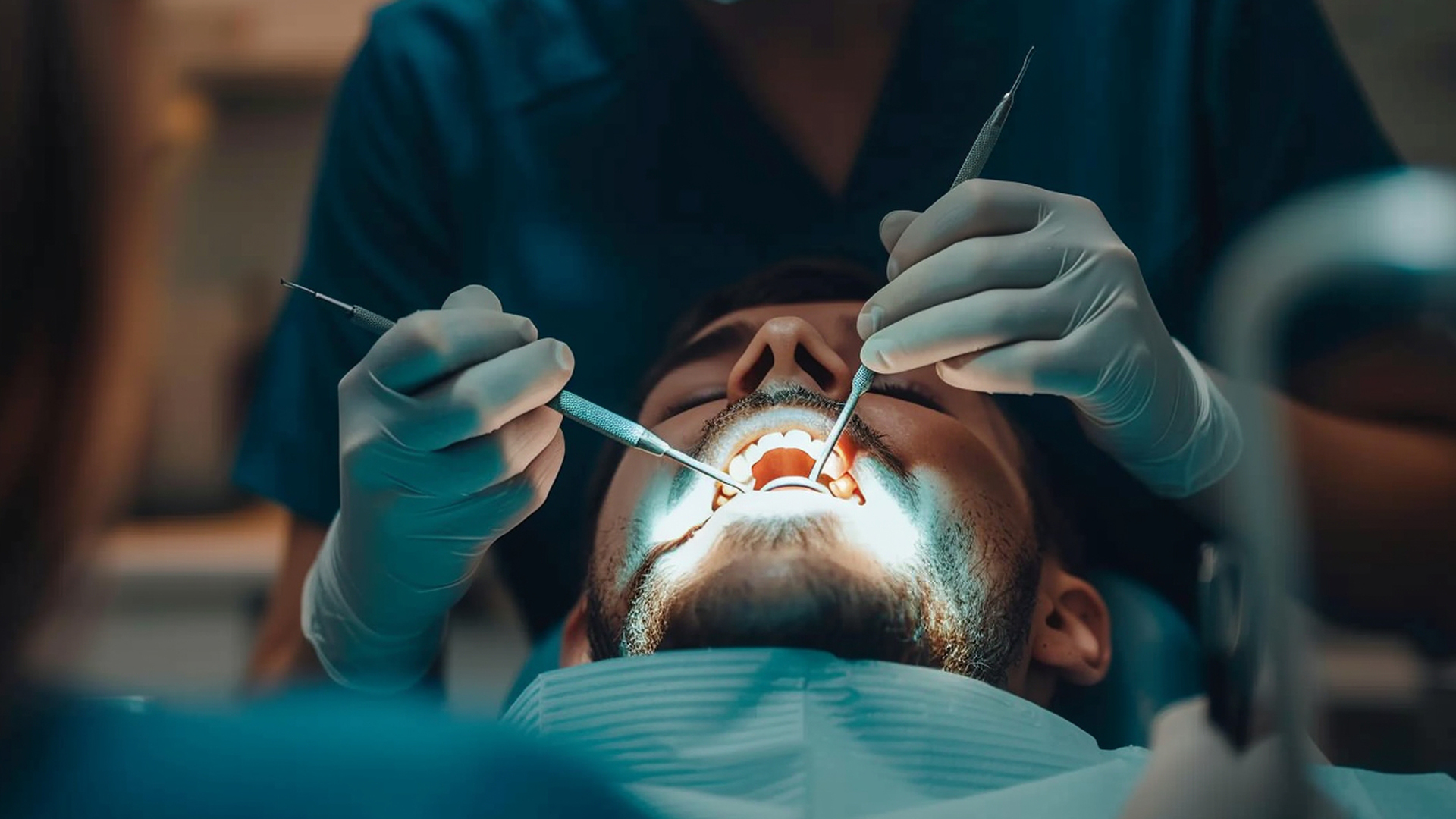
Emergency Dentist: What to Do in a Dental Emergency
Dental emergencies rarely happen at a convenient time.
A sudden toothache in the middle of the night, a broken tooth during dinner, swelling that appears unexpectedly, or a sports injury that knocks out a tooth can quickly become painful, stressful, and overwhelming.
In many cases, delaying treatment can make the situation worse.
What starts as mild discomfort may develop into severe pain, infection, gum damage, or even permanent tooth loss if not treated promptly.
That is why knowing how to respond during a dental emergency is so important.
While emergency dental care should always be handled by a professional, understanding the first steps to take before reaching the clinic can help reduce complications and improve the chances of saving the affected tooth or protecting your oral health.
For patients looking for an experienced Ajax dentist or the best dentist near Whitby for urgent care, quick action and professional treatment are key to managing dental emergencies safely and effectively.
What Is Considered a Dental Emergency?
Not every dental problem requires immediate emergency care, but certain symptoms should never be ignored.
A dental emergency generally involves situations where there is:
- Severe pain
- Bleeding
- Swelling
- Infection
- Trauma to the teeth or gums
- Risk of permanent tooth damage
Some dental emergencies require same-day treatment to prevent complications and protect oral health.
1. Severe Toothache
A severe or persistent toothache is one of the most common dental emergencies.
While mild tooth sensitivity may not always be urgent, intense pain often signals an underlying issue such as:
- Tooth decay
- Infection
- Abscess
- Cracked tooth
- Gum infection
- Nerve damage
If the pain becomes severe, throbbing, or accompanied by swelling or fever, immediate dental care is important.
What You Should Do
Rinse your mouth gently with warm water and avoid placing aspirin directly on the gums, as this can irritate tissue. A cold compress applied externally may help reduce swelling while waiting to see the dentist.
Ignoring severe tooth pain may allow infection to spread and increase the risk of more complex treatment later.
2. Knocked-Out Tooth
A knocked-out tooth is one of the most urgent dental emergencies because quick action may help save the tooth.
The first hour after the injury is especially important.
What You Should Do
Carefully pick up the tooth by the crown, not the root. If dirty, gently rinse it with water without scrubbing or removing attached tissue.
If possible, place the tooth back into the socket carefully. If that is not possible, keep it moist in milk or saliva and seek emergency dental care immediately.
Fast treatment greatly improves the chance of successful reattachment.
3. Broken or Chipped Tooth
A broken or chipped tooth can range from minor cosmetic damage to a serious fracture exposing nerves or internal tooth structures.
Even if pain seems manageable initially, untreated cracks may worsen over time.
What You Should Do
Rinse the mouth gently and save any broken pieces if possible. Avoid chewing on the affected side and seek dental evaluation as soon as possible.
A dentist will assess the extent of the damage and recommend appropriate treatment to restore and protect the tooth.
4. Swelling or Dental Infection
Swelling in the gums, jaw, or face should never be ignored.
Dental infections can spread quickly and may become serious if untreated.
Common signs of infection include:
- Facial swelling
- Gum swelling
- Fever
- Pus discharge
- Persistent pain
- Bad taste in the mouth
What You Should Do
Seek emergency dental care immediately, especially if swelling affects breathing, swallowing, or spreads rapidly.
Delaying treatment can allow infection to move deeper into surrounding tissues and potentially affect overall health.
5. Lost Filling, Crown, or Dental Restoration
A lost filling or crown may not always seem urgent, but it can leave the tooth vulnerable to further damage, sensitivity, or infection.
What You Should Do
Avoid chewing on the affected tooth and contact your dentist promptly. Temporary dental cement from a pharmacy may sometimes help protect the area until treatment is available.
The dentist will determine whether the restoration can be repaired or replaced.
6. Dental Trauma and Sports Injuries
Accidents involving falls, sports injuries, or impact to the mouth can damage teeth, gums, lips, or jaw structures.
Even if no obvious tooth damage is visible initially, internal injuries may still be present.
What You Should Do
Apply a cold compress to reduce swelling and seek professional evaluation after any significant dental trauma.
Prompt treatment helps reduce complications and protect long-term oral health.
7. Bleeding Gums or Oral Injuries
Minor bleeding after brushing may not always require emergency care, but continuous bleeding after injury or dental trauma should be assessed immediately.
Cuts to the lips, tongue, or gums may also require treatment depending on severity.
What You Should Do
Apply gentle pressure with clean gauze and seek emergency care if bleeding does not stop within a reasonable time.
Why Immediate Treatment Matters?
Many dental emergencies worsen quickly when left untreated.
Delaying care may lead to:
- Increased pain
- Infection spread
- Tooth loss
- Gum damage
- More complex procedures
- Higher treatment costs
Early intervention often allows dentists to preserve teeth more effectively while reducing the risk of serious complications.
Prompt treatment also helps patients return to normal eating, speaking, and daily activities more comfortably.
How Emergency Dentists Help
Emergency dentists focus on providing immediate care to relieve pain, control infection, and prevent further damage to the teeth, gums, or surrounding oral structures. The first priority is usually to stabilise the dental problem quickly while protecting the patient’s long-term oral health.
Depending on the situation, treatment may involve:
- Pain Management
Severe dental pain can make eating, speaking, and performing daily activities very difficult. Emergency dentists first identify the source of pain and provide treatment to reduce discomfort as quickly as possible. This may include treating infections, repairing damaged teeth, or protecting exposed nerves.
- Infection Treatment
Dental infections can spread rapidly if left untreated. Emergency dentists assess swelling, abscesses, or gum infections and may recommend drainage, antibiotics, or additional procedures to control the infection and prevent complications.
- Tooth Repair
Broken, cracked, or chipped teeth are carefully examined to determine the extent of the damage. Dentists may use bonding, fillings, crowns, or temporary restorations to repair and protect the tooth until permanent treatment is completed.
- Root Canal Therapy
If infection or trauma affects the inner nerve of the tooth, root canal treatment may be required to remove infected tissue and save the natural tooth. Emergency treatment helps reduce pain while preventing the infection from worsening.
- Emergency Extractions
In some situations, a severely damaged or infected tooth may not be repairable. Emergency extractions are sometimes necessary to relieve pain and prevent further oral health problems.
- Temporary Restorations
Temporary fillings, crowns, or protective coverings may be placed to stabilise the tooth until a permanent restoration can be completed during a follow-up visit.
- Trauma Assessment
Dental injuries involving the teeth, gums, jaw, or surrounding tissues require careful evaluation. Emergency dentists assess the extent of trauma and recommend immediate treatment to minimise long-term damage.
The exact treatment always depends on the severity of the dental emergency, the patient’s symptoms, and the condition of the affected tooth or surrounding tissues.
Preventing Dental Emergencies
While some emergencies are unavoidable, many dental problems can be reduced through preventive care and healthy habits.
Helpful preventive steps include:
- Regular dental check-ups
- Wearing mouthguards during sports
- Avoiding chewing hard objects
- Treating cavities early
- Maintaining good oral hygiene
- Addressing dental pain promptly
Preventive care plays a major role in reducing the risk of unexpected dental emergencies over time.
Protect Your Smile with Prompt Emergency Care
Dental emergencies should never be ignored.
Whether dealing with severe tooth pain, swelling, trauma, or a knocked-out tooth, taking quick action and seeking professional care can significantly improve treatment outcomes and help protect long-term oral health.
Knowing what to do during a dental emergency helps reduce panic while allowing patients to respond more effectively before reaching the dental clinic.
At Allure Dental, we provide prompt and compassionate care for urgent dental concerns. Our experienced Ajax dentist team focuses on fast diagnosis, comfortable treatment, and long-term oral health support.
Whether you are dealing with severe tooth pain, swelling, a broken tooth, or a dental injury, we are committed to helping patients receive trusted emergency dental care when they need it most.
Don’t wait for dental pain to get worse. Visit Allure Dental for prompt emergency dental care and compassionate support.
FAQs
What qualifies as a dental emergency?
A dental emergency usually involves severe pain, swelling, infection, bleeding, trauma, or damage that risks permanent tooth loss or worsening oral health problems. Issues such as knocked-out teeth, severe toothaches, facial swelling, or broken teeth should be assessed by a dentist as soon as possible.
Should I go to the emergency room for a toothache?
Most toothaches are best treated by a dentist rather than a hospital emergency room. However, if the toothache is accompanied by severe swelling, difficulty breathing, fever, or signs of spreading infection, immediate medical attention may also be necessary.
What should I do if my tooth gets knocked out?
Handle the tooth carefully by the crown rather than the root. Gently rinse it if it’s dirty and try to place it back into the socket if possible. If not, store it in milk or saliva and seek emergency dental treatment immediately. Fast action increases the chances of saving the tooth.
Can a broken tooth wait until my next dental appointment?
Even small cracks or chips should be examined by a dentist promptly. Some fractures may expose nerves or worsen over time if untreated, leading to pain, infection, or additional tooth damage.
Is facial swelling from a tooth infection dangerous?
Yes. Facial swelling may indicate a serious dental infection that can spread if untreated. Swelling involving the jaw, gums, or face should be assessed quickly, especially if accompanied by fever or difficulty swallowing.
What happens during an emergency dental visit?
The dentist will examine the affected area, identify the cause of pain or damage, and recommend immediate treatment to relieve discomfort and stabilise the situation. Additional follow-up treatment may sometimes be needed after the emergency is managed.
Can emergency dentists save damaged teeth?
In many cases, yes. Prompt treatment often improves the chances of saving damaged, infected, or knocked-out teeth. Early intervention is extremely important for successful treatment outcomes.
How can I reduce the risk of dental emergencies?
Regular dental check-ups, good oral hygiene, wearing mouthguards during sports, and treating dental problems early can all help lower the risk of dental emergencies.
What should I do if a filling or crown falls out?
Avoid chewing on the affected tooth and contact your dentist promptly. Temporary dental cement may help protect the area until professional treatment is available.
Where can I find an experienced emergency dentist in Ajax?
Patients can visit Allure Dental for emergency dental care from an experienced Ajax dentist team focused on urgent treatment, patient comfort, and long-term oral health support.